There is no single sticker price for US health insurance. What you pay depends on how you get coverage, where you live, your age, and your income. But the national averages give you a realistic baseline, and the 2026 numbers matter because prices jumped this year. This guide breaks down what employer plans and Marketplace plans really cost, what changed in 2026, what drives your personal price, and the practical moves that lower it. Let’s dive and understand how much does health insurance cost in the USA.
Quick answer
Average health insurance cost, 2025 to 2026 in a glance:
- Job-based coverage (2025): about $9,325 a year for one person and $26,993 for a family. Workers paid roughly $1,440 (single) and $6,850 (family) of that from their paycheck; employers covered the rest.
- Marketplace, buying your own (2026): the average full-price benchmark Silver plan is about $625 a month, and the lowest-cost Bronze plan about $456 a month, before any subsidy.
The catch: subsidies shrank in 2026, so many people who buy their own plan are paying noticeably more than in 2025.
Explore health insurance options with Zolve.
Cost of job-based (employer) insurance
About 154 million Americans under 65 get coverage through work, making this by far the most common way people are insured. In 2025, KFF's benchmark survey found the average annual premium was $9,325 for single coverage and $26,993 for family coverage. The good news is your employer pays most of it.
On average, workers contributed about 16% of the premium for single coverage and 26% for family coverage, which came to roughly $1,440 and $6,850 a year out of your own pocket.
On top of the premium, most workers also have a deductible to meet before the plan pays much. The average single-coverage deductible was about $1,886 in 2025, and many workers face $2,000 or more. So the true cost of an employer plan is your share of the premium plus whatever you spend before coverage fully kicks in.
Learn: What is EPO in health insurance?
Cost of buying your own plan on the Marketplace
If you buy your own coverage, price is driven by the plan tier and your income-based subsidy. For 2026, the average full-price benchmark Silver premium is about $625 a month and the cheapest Bronze plan about $456 a month before subsidies. Deductibles are higher than typical job-based plans: the 2026 average goes about $5,304 for a Silver plan and $7,186 for a Bronze plan.
Subsidies change that picture dramatically. In 2025, the average subsidised enrollee paid only about $74 a month after premium tax credits. That is why your income matters so much: two people can pick the same plan and pay very different amounts, because one qualifies for a large credit and the other does not.
Read: What does PPO stand for in health insurance?
Why did health insurance go up in 2026?
The enhanced premium tax credits that boosted subsidies from 2021 through 2025 expired at the end of 2025. Reports suggest that, to keep the same plan, the average enrollee's premium payment rose about 114%, roughly $1,016 more a year. A subsidy cliff also returned: households earning more than 400% of the federal poverty level (about $63,000 for one person) generally lost eligibility for any premium tax credit.
Insurers filed some of the steepest rate increases in years on top of that. Congress was still debating whether to restore the enhanced credits through mid-2026, so this is a moving target worth rechecking whenever you shop for a plan.
Factors affecting the cost of health insurance premium
Insurers cannot charge you more for being sick or having a pre-existing condition, but several factors affect your premium.
What are the other costs in addition to health insurance premium?
The premium is only part of the bill. To compare plans fairly, look at the whole cost structure, because a low premium often hides a high deductible.
- Deductible: what you pay before the plan starts sharing costs.
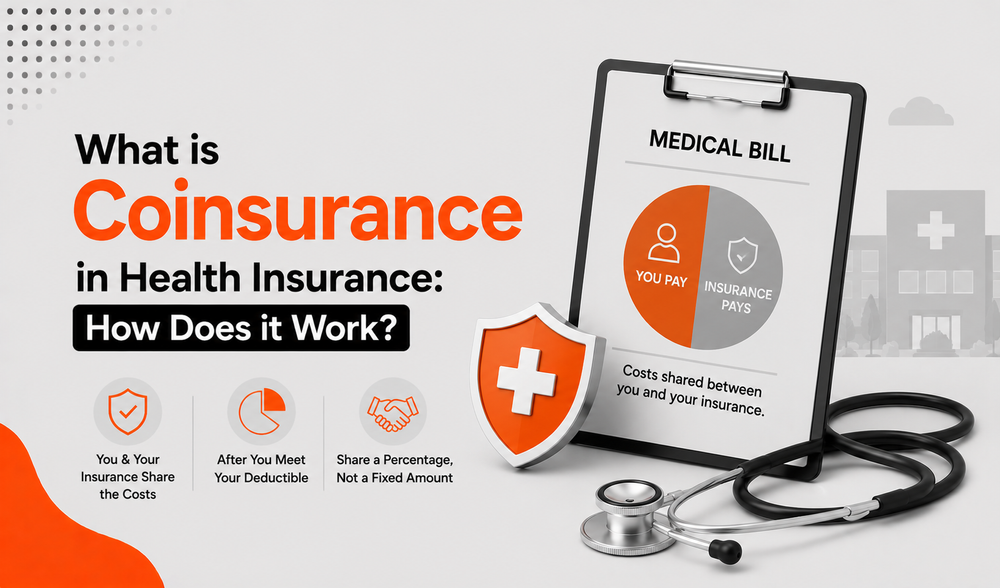
- Copays and coinsurance: your share of each service after the deductible.
- Out-of-pocket maximum: the yearly ceiling on your spending. For 2026, Marketplace plans cannot set this above $10,600 for one person or $21,200 for a family. After you hit it, the plan pays 100%.
- Out-of-network charges: on some plans, care outside the network is far more expensive or not covered at all.
A useful mental formula: your realistic yearly cost is (monthly premium x 12) plus what you expect to spend on care, capped by the out-of-pocket maximum. Zolve's guide to US insurance terminology defines each of these terms if they are new to you.
How to get health insurance as an international student?
The averages above describe the mainstream US market, but they are not usually the numbers an F-1 or J-1 student pays. International students generally cannot claim Marketplace subsidies and often do not qualify for Medicaid, so they typically buy dedicated international-student plans instead, which are priced for younger, generally healthy people and are usually far cheaper than a full-price Marketplace plan.
Through Zolve, for instance, you can get ISO student health insurance plans and Kimber Health student plans. Prices change and depend on your age, school, and plan, so treat these as starting points and confirm current quotes; you can compare options on Zolve's health insurance page.
How to pay less on health insurance premium?
- Shop on the Marketplace and enter your income so you capture any premium tax credit.
- If your income is modest, compare Silver plans; cost-sharing reductions can lower your deductible substantially.
- Check whether you or your children qualify for Medicaid or CHIP, which are usually the cheapest option.
- Weigh a higher-deductible plan with a lower premium if you are young and healthy; see Zolve's insurance for young adults for how that trade-off works, and consider pairing it with a Health Savings Account.
- Stay in-network, use free preventive care, and reshop every year rather than auto-renewing.
In the year 2026 the dominant reaction online has been sticker shock at renewal. Many enrollees who had grown used to heavily subsidised plans saw their monthly payment jump when the enhanced credits ended, and some shifted to higher-deductible plans to keep the premium affordable. The practical takeaway repeated in these discussions is to reshop during Open Enrollment rather than letting your plan auto-renew, because both the cheapest plan and your subsidy amount can change from year to year. People also stress checking that your specific doctors and medications are still covered, since networks and drug lists change annually.
FAQ
What is the average health insurance cost per month?
For a full-price Marketplace benchmark Silver plan in 2026, about $625 a month before subsidies. Many people pay far less after a premium tax credit.
Why is my health insurance more expensive in 2026?
Enhanced subsidies expired at the end of 2025 and insurers raised rates, so out-of-pocket premiums rose for many people who buy their own coverage.
Is job-based insurance cheaper?
Usually, because your employer pays most of the premium. The average worker paid about $1,440 a year for single coverage in 2025.
How much is health insurance for a young adult?
It varies by state and plan, but younger adults pay less than older adults, and a lower-premium, higher-deductible plan can be a good fit if you are healthy.
Read more: