Finding a 0 APR credit cards deal that actually saves you money can feel like hunting for a needle in a haystack, especially with new offers rolling out each month. This guide will break down exactly how 0% APR cards work, the different types of introductory offers, and which cards topped the rankings in July 2026. Look at the common pitfalls to dodge, and how to match a card to your financial goals.
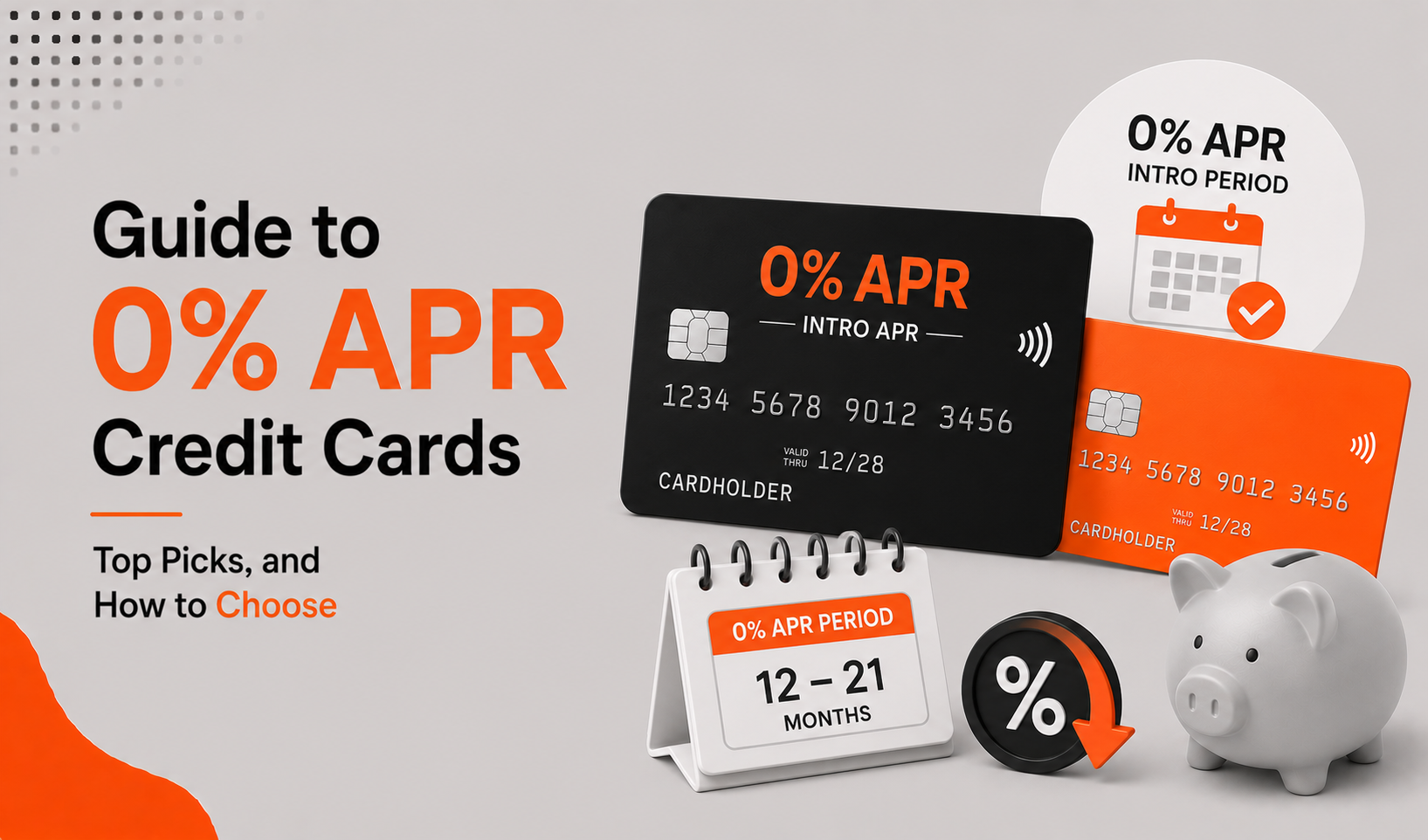
- Understand the mechanics: A 0% APR card suspends interest on purchases or balance transfers for a set period, usually 12‑21 months.
- Match offers to goals: Choose a purchase‑only intro if you’re financing a big buy, or a balance‑transfer intro to consolidate debt.
- Read the fine print: Late‑payment fees, balance‑transfer fees, and post‑intro rates can erode savings.
- Plan your payoff: Set calendar reminders before the intro period ends to avoid surprise interest.
What is a 0% APR Credit Card and How It Works?
A 0% APR credit card offers an interest‑free period on either purchases, balance transfers, or both. During the introductory window, that typically lasts for 12 to 21 months, you incur no finance charges, letting you pay down balances faster. After the promo ends, the standard APR (often 15‑24%) kicks in on any remaining balance. To keep the benefit, you must make at least the minimum payment on time; a missed payment usually terminates the 0% rate immediately.
Types of 0% APR Offers: Introductory Balance Transfer vs. Purchase
Most cards fall into two buckets:
- Purchase‑only 0% APR: Ideal for financing large items like furniture or a wedding.
- Balance‑transfer 0% APR: Helps you move high‑interest debt onto a cheaper card, often with a transfer fee of 3‑5%.
Some premium cards combine both, giving you flexibility but usually at a higher annual fee.
Top 0% APR Credit Cards in 2026: Comparison
| Card | Intro APR Length | Balance Transfer Fee | Annual Fee | Best For |
|---|---|---|---|---|
| Chase Freedom Flex® | 15 months purchases / 15 months transfers | 3% (min $5) | $0 | Everyday rewards + 0% intro |
| Citi Simplicity® | 21 months purchases / 21 months transfers | 5% (min $5) | $0 | Longest intro period |
| Wells Fargo Reflect® | 18 months purchases / 18 months transfers | 3% (min $5) | $0 | High credit limit seekers |
Pro tip: Set a calendar reminder two months before your intro period ends to line up a new balance‑transfer offer and avoid surprise interest.
How to Choose the Right 0% APR Card for Your Financial Goals
Start with a clear objective:
- Identify the debt or purchase: Are you consolidating credit‑card balances or financing a large purchase?
- Check your credit score: Most 0% APR cards require a score of 670 or higher; use free tools like AnnualCreditReport.com.
- Compare fees: Look beyond the intro APR—consider balance‑transfer fees, annual fees, and late‑payment penalties.
- Match the intro length to your payoff plan: If you need 18 months to clear $5,000, pick a card with at least that many months.
- Consider rewards and extra perks: Some 0% cards still earn cash back or travel points, adding value after the promo.
Common Pitfalls and Hidden Fees to Watch Out For
Even a 0% APR card can cost you if you slip on the details. Beware of:
- Late‑payment fees that instantly cancel the intro rate.
- Balance‑transfer fees that can eat up 3‑5% of the transferred amount.
- Annual fees that offset cash‑back earnings.
- Higher post‑intro APRs—calculate the cost if you carry any balance beyond the promo.
According to the Consumer Financial Protection Bureau (CFPB), over 30% of consumers unintentionally trigger fees by missing a single payment.
Strategies to Maximize Savings and Pay Off Debt Faster
Combine the 0% APR window with disciplined budgeting:
- Snowball vs. avalanche: Use the snowball method for quick wins or the avalanche method to target highest‑interest balances first.
- Allocate windfalls: Direct any tax refunds or bonuses toward the 0% balance.
- Maintain a low credit utilization: Keep utilization under 30% to protect your credit score during the payoff period.
By the end of the intro period, many users report saving $400‑$800 in interest compared to carrying the same debt on a standard card (Federal Reserve data, 2025).
Conclusion
Choosing the right 0 APR credit cards in 2026 boils down to aligning the intro length, fee structure, and rewards with your personal payoff timeline. Avoid common pitfalls by staying on top of payments and watching for hidden fees. Start comparing the top picks today, set a repayment plan, and watch your savings grow.
FAQs
What is the typical length of a 0% APR introductory period?
Most cards offer 12‑21 months, with a few extending up to 21 months for purchases and transfers.
Do 0% APR cards have annual fees?
Many have $0 annual fees, but premium cards may charge $95‑$150.
Can I get a 0% APR card with a bad credit score?
Generally you need a score of 670+; otherwise secured cards are your best bet.
Will a balance‑transfer fee cancel the 0% benefit?
No, the fee is charged upfront, but the balance still accrues no interest during the promo.