Quick summary
- Budget about £1,150 to £1,800 a month for everyday living. The lower end suits most cities outside London, and the higher end suits London.
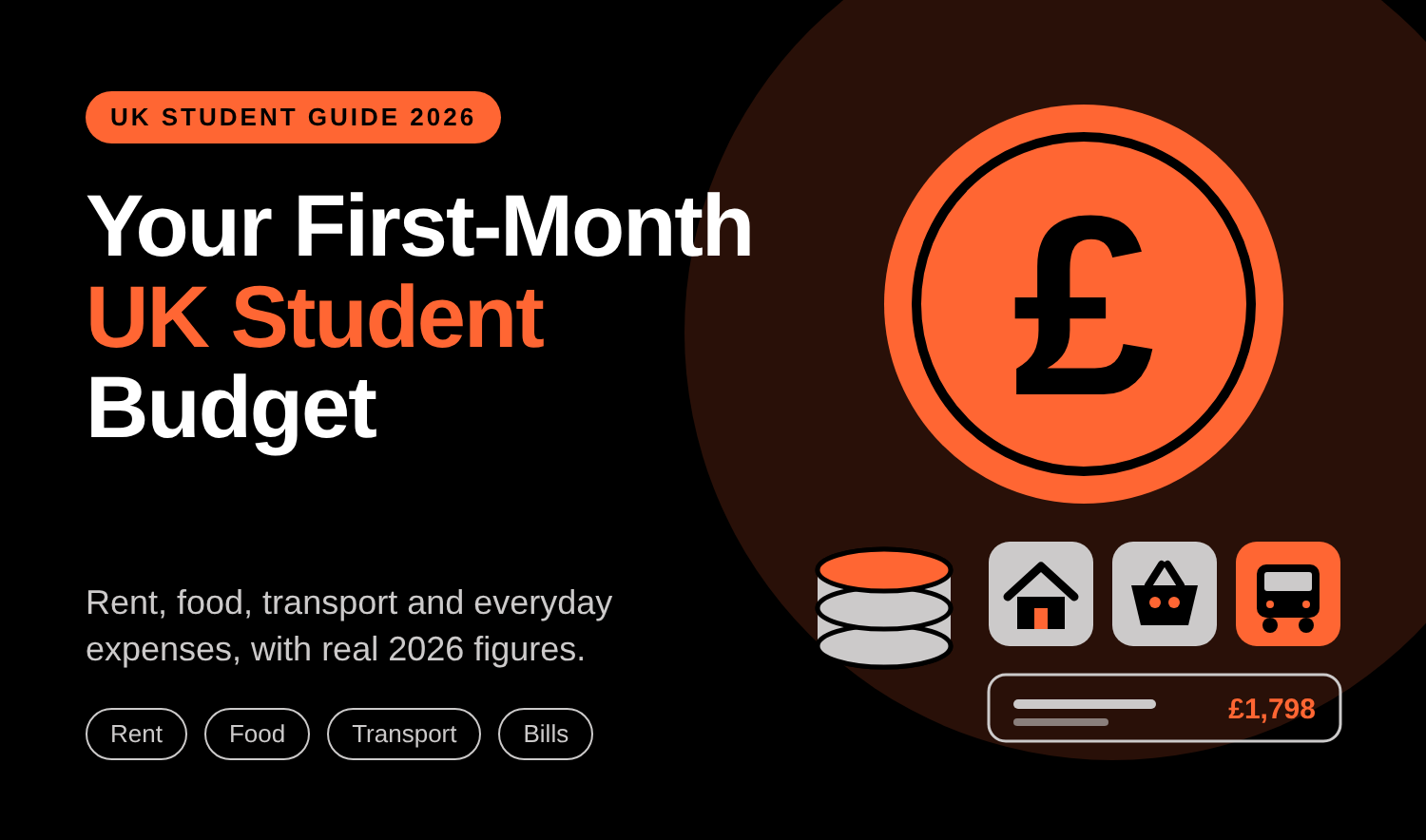
- Your first month costs more than any other month. Add a rental deposit (up to 5 weeks of rent), setup items, and travel, and the realistic cash need is roughly £1,800 outside London and £2,750 in London, with the deposit making up £650 to £1,100 of that.
- Rent is the biggest line. Students who pay rent average about £575 a month nationally, from around £450 in Birmingham to over £1,000 at the most expensive London universities.
- Food: The average student spends about £155 a month on groceries, which is roughly £36 a week, plus about £45 on takeaways and eating out.
- Transport: The average is about £73 a month. A 16-25 Railcard (£35 a year) takes a third off rail fares, and a Student Oyster photocard takes 30% off London season tickets.
- Before you land: Student visa costs £558, and the Immigration Health Surcharge is £776 for each year of your visa. These are paid before you arrive and are separate from your living funds.
- Do not pay for things you may not owe. Full-time students can be exempt from Council Tax, but only with a certificate from your university. A TV licence (£180 a year) is needed only if you watch live TV or BBC iPlayer.
- Know your rights as a renter in England. Since 1 May 2026, a landlord cannot ask for rent before you sign and can ask for no more than one month in advance afterwards.
Why your first month is the most expensive one
Most UK student cost guides give you a monthly average and stop there. That is useful for planning a year, but it hides the real pressure point: the first four weeks. In that window you pay a deposit, buy bedding and kitchen basics, set up a phone plan, learn which transport pass suits you, and probably eat out more than you planned while you settle in.
This guide splits your money into one-off costs (paid once) and recurring costs (paid every month), using the latest figures we could verify as of November 2026. Where a number comes from the UK Government, we link to the official page. Where it comes from a student survey, we say so. If you are still working out how much to carry, our guide on how much money you should have ready before moving to the UK is a good companion read.
The national picture explains why planning matters. In the annual National Student Money Survey, reported by Save the Student, the average student spends about £1,146 a month, while the average Maintenance Loan is £648 a month, leaving a gap of about £498. International students do not get UK maintenance loans, so your own funds, family support or part-time income need to cover that full amount. Read the Save the Student living costs breakdown for the full survey.
Where your money goes | Average per month (UK students) |
|---|---|
Rent | £551 |
Groceries | £155 |
Transport | £73 |
Household bills | £68 |
Going out | £60 |
Takeaways and eating out | £45 |
Clothes and shopping | £33 |
Health and wellbeing | £21 |
Mobile phone | £15 |
Everything else | £125 |
Total | £1,146 |
One-off costs: What you pay before and just after you land
Start with the costs that arrive before your first lecture. If you are applying for a Student visa, the GOV.UK Student visa page lists the fee as £558, whether you apply from outside or inside the UK. You can apply up to six months before your course starts if you are outside the UK.
You also pay the Immigration Health Surcharge (IHS), which gives you access to the NHS. GOV.UK states £776 per year for students. For a course of six months or less, nothing is due if you apply from outside the UK, and £388 is due if you apply from inside the UK.
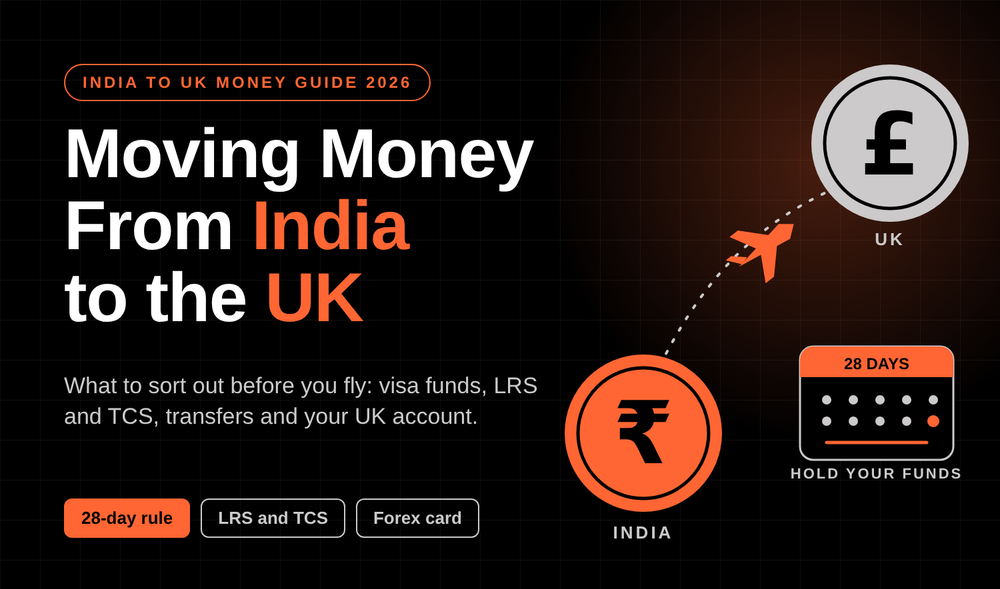
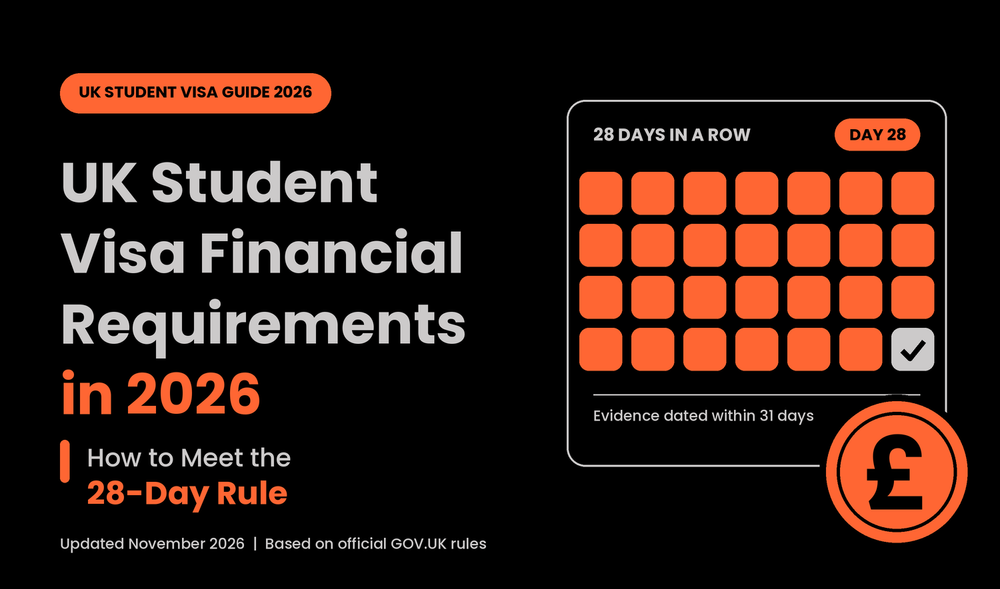
Then there is the money you must show but not spend. Under the official Student visa money rules, you need £1,529 a month for London or £1,171 a month outside London, for up to nine months, held for at least 28 days in a row. Immigration solicitors report that these rates rise to £1,570 (London) and £1,203 (outside London) for applications made on or after 30 November 2026, under Statement of Changes HC 584. Check GOV.UK on the day you apply, and read our explainer on the 28-day rule and the 2026 funds requirement before you move any money.
One-off cost | Typical amount | When you pay | Is it refundable? |
|---|---|---|---|
Student visa application fee | £558 | Before you fly | No |
Immigration Health Surcharge | £776 per year of visa | Before you fly | No |
Tenancy deposit | Up to 5 weeks of rent | At signing | Yes, if the home is returned in good condition |
Holding deposit | Up to 1 week of rent | When you reserve a home | Credited or returned in line with the rules |
Bedding, towels, kitchen basics | About £60 to £120 (our estimate) | Week 1 | No |
16-25 Railcard | £35 for one year | When you need it | No |
Student Oyster photocard (London) | £20 admin fee | After enrolment | No |
TV licence, if you need one | £180 a year | Before watching live TV | Partly, for unused full months |
The visa and IHS together come to £1,334 for a one-year course. Treat that as a separate pot, so it never eats into your rent and food money.
A practical tip: keep a printed or offline copy of your CAS, accommodation address and the first-night booking. Airline staff and border officers may ask for them, and you will not want to rely on airport wifi.
Rent: Your biggest cost, and the one with the most rules
According to the National Student Accommodation Survey 2026, students who pay rent spend an average of £575 a month. The spread between cities is wide, so the university you choose can move your budget more than any other decision.
City | University | Average monthly rent |
|---|---|---|
London | LSE | £1,033 |
London | King's College London | £986 |
London | Queen Mary | £813 |
London | UCL | £767 |
London | Imperial College London | £719 |
Edinburgh | University of Edinburgh | £721 |
Bristol | University of Bristol | £675 |
Glasgow | Glasgow Caledonian | £655 |
Leeds | University of Leeds | £621 |
Glasgow | University of Glasgow | £611 |
Newcastle | Newcastle University | £589 |
Manchester | University of Manchester | £578 |
Manchester | Manchester Met | £525 |
Birmingham | Aston University | £501 |
Birmingham | University of Birmingham | £454 |
These are survey averages by university, not live listings. Rooms close to campus in a new city often cost more than the average, so use the numbers as a starting point and check current listings.
Deposits and upfront payments
The GOV.UK guidance for tenants on the Tenant Fees Act sets clear limits in England:
- Tenancy deposit: Up to 5 weeks of rent where annual rent is under £50,000.
- Holding deposit: Up to 1 week of rent, which a landlord can keep for 15 days unless you agree otherwise in writing.
- Protection: Your deposit must be held in a government-approved scheme.
- Banned extras: Landlords cannot charge for professional cleaning at move-out or make you take out a loan, insurance or a service contract.
The GOV.UK overview of the Renters' Rights Act adds protection for privately rented homes in England from 1 May 2026:
- Landlords cannot ask for or accept rent before you sign the tenancy agreement.
- After signing, they can ask for no more than one month's rent in advance.
- Adverts must state a specific price, and landlords cannot encourage offers above it.
- Rent can go up only once a year, and not in the first 12 months.
Student halls and some other housing types follow different rules, so read your own contract. Rules in Scotland, Wales and Northern Ireland differ, so check your local government's guidance if you study there. If a landlord asks you to pay several months upfront, that is a red flag worth questioning, and our guide to CAS, the eVisa and share codes explains how to prove your right to rent with a share code.
Bills and Council Tax
Many student houses and halls include bills in the rent, so always ask whether gas, electricity, water and internet are covered. Student housing guides put the range at roughly £0 to £150 a month depending on city and contract.
Council Tax is where students often overpay or panic. According to UKCISA, a Student visa alone does not make you exempt. You generally need to be on a course that lasts at least one academic year, requires at least 24 weeks of study a year, and involves at least 21 hours of study a week during term. Your university can issue a Council Tax certificate, usually free, which you send to your local council. The exemption starts when your course starts, so some councils may bill you for the days between your arrival and the course start date.
Food: What a realistic grocery budget looks like
The average student spends about £155 a month on groceries, or roughly £36 a week, and another £45 on takeaways and eating out, based on the Save the Student survey. Student housing guides suggest a range of about £35 to £65 a week depending on how often you cook and where you live.
Eating style | Groceries per month | What it looks like |
|---|---|---|
Lean | About £140 | Batch cooking, discount supermarkets, few takeaways |
Typical student | About £155 plus £45 eating out | Mostly home cooking, a few treats |
Comfortable | £180 to £260 | Branded items, fresh produce, regular eating out |
Grocery prices are still rising, though only gently. Worldpanel by Numerator reported on 13 October 2026 that UK grocery price inflation was 2.5%, up from 2.3% the month before.
Ways to keep your first food shop under control:
- Plan the first week's meals before you shop, so you do not buy duplicates.
- Buy staples (rice, pasta, oats, tinned tomatoes, frozen vegetables) at a discounter, and fresh items where they are cheapest locally.
- Check supermarket loyalty prices and reduced-to-clear sections, especially in the evening.
- Share bulk buys with flatmates, such as cooking oil, spices and cleaning products.
- Set a weekly eating-out limit on day one. Many first-month overspends come from the “we are new here, let's go out” week.
If you cook food from home, also budget for spices and ingredients from specialist shops. They can cost more than supermarket staples, so list them separately.
Transport: Passes, railcards and the bus fare cap
The average student spends about £73 a month on transport, according to a survey. In London it is usually higher, and Unilife's planning range is about £90 to £180 a month, compared with roughly £50 to £100 elsewhere. Living within walking or cycling distance of campus is the single easiest way to cut this line.
Option | Cost | Who it suits |
|---|---|---|
£35 for 1 year, £80 for 3 years (3-year card only if aged 16 to 23) | Anyone taking regular train trips, for a third off most fares | |
£35 for 1 year | Postgraduate students aged 26 to 30 | |
£20 admin fee | London students, for 30% off Travelcards and Bus & Tram Pass season tickets | |
Single bus tickets | Capped at £3 in England outside London, falling to £2 from 1 January 2027 | Students in cities outside London who bus to campus |
A few details to check before you buy:
- Railcard: A minimum fare may apply, so the discount is smaller on very cheap tickets.
- Student Oyster: You must be 18 or over, live in a London borough during term time, and study at a TfL-registered institution on a qualifying course, so check the eligibility rules on the TfL page.
- Bus Fares: The Department for Transport confirmed that single bus fares in England outside London will be capped at £2 from 1 January to 31 December 2027, replacing the existing £3 cap. The cap applies to participating services, and local rules differ in Scotland, Wales and Northern Ireland.
If you land in the UK during October to December, buy your railcard before your first weekend trip. Even one return train journey can cover a good part of the £35 cost.
Everyday expenses that quietly add up
The smaller lines are where budgets slip. None of them look big on their own, but together they can reach £250 or more a month.
Everyday expense | Average per month | Notes |
|---|---|---|
Going out | £60 | Nights out, cinema, activities |
Clothes and shopping | £33 | Higher in your first winter if you need a coat and boots |
Holidays and events | £32 | Society trips, ticketed events |
Health and wellbeing | £21 | Gym, toiletries, pharmacy items |
Course materials | £16 | Printing, books, stationery |
Mobile phone | £15 | Unilife suggests £10 to £30 depending on data |
Subscriptions | £14 | Streaming, music, apps |
The TV Licence Trap
You need a licence to watch live TV or BBC iPlayer on any device, and students in halls need to be covered for their room. A licence costs £180 a year, or £30 a month for six months and then £15 a month on the monthly plan. There is no student discount. If you only watch on-demand services such as Netflix or YouTube, you do not need one. In a shared house, Newcastle University's guidance notes that separate tenancies need a licence each, while a joint tenancy needs one for the whole property.
Phone and Data
A UK SIM-only plan is usually cheaper than a contract, and many students pick one up before leaving the airport or in the first week. Compare plans by data allowance rather than headline price, and avoid long contracts in your first term, in case you move house or change course.
Part-time work as a budget buffer
If your visa and course allow it, part-time work can ease the pressure. According to UKCISA, students on a degree-level course with a track-record sponsor can generally work up to 20 hours a week in term time, and full-time outside term time. Always check your own immigration document and your university's rules first, because some documents say “No work”. Do not count on job income in your first month. Recruitment, right-to-work checks and the first pay date usually mean the first wage arrives well after the first rent bill.
Sample first-month budgets: Outside London vs London
Here are two worked examples that combine the figures above. They are planning estimates, not quotes. The outside-London column uses the University of Manchester's average rent of £578, and the London column assumes £950 a month, between the King's College London (£986) and Queen Mary (£813) averages. Other lines use Save the Student and Unilife figures, and the setup allowance is our own estimate.
Line item | Outside London | London |
|---|---|---|
Rent (month 1) | £578 | £950 |
Bills (if not included in rent) | £68 | £100 |
Groceries | £155 | £200 |
Eating out and going out | £105 | £150 |
Transport | £73 | £100 |
Phone | £15 | £15 |
Course materials | £16 | £20 |
Health and wellbeing | £21 | £21 |
Normal monthly cost | £1,031 | £1,556 |
Tenancy deposit (5 weeks of rent) | £667 | £1,096 |
Household setup (bedding, kitchen basics) | £100 | £100 |
First-month cash need | £1,798 | £2,752 |
Notice how the first month differs from the months after it. Once the deposit and setup costs are behind you, the outside-London budget falls to about £1,031 and the London one to about £1,556. Your deposit should come back at the end of the tenancy if you return the property in good order.
These monthly totals also sit close to the official visa funds figures of £1,171 (outside London) and £1,529 (London). That is a useful reminder that the maintenance requirement is a minimum to prove, not a spending allowance.
Two habits make these budgets easier to stick to:
- Add a 10% buffer on top of the total for surprises such as a lost key, a winter coat or an unexpected train fare.
- Split the money into weekly amounts for groceries and social spending, rather than treating the whole month as one pot.
A simple week-by-week plan for month one
- Week 1: Pay your deposit and first rent, set up your phone and buy bedding and kitchen basics.
- Week 2: Complete enrolment, request your Council Tax certificate from your university and find your nearest discount supermarket.
- Week 3: Decide whether you need a Railcard, a Student Oyster photocard or a local bus pass, and check whether you need a TV licence.
- Week 4: Review your spending against the plan and adjust the weekly groceries and social limits for month two.
Money-saving tips and mistakes to avoid
Smart moves for month one
- Ask your university about bursaries, hardship funds and free student services before you spend your own money.
- Choose accommodation with bills included if you value a predictable budget.
- Request your Council Tax certificate in the first week, not after the first bill arrives.
- Buy a Railcard only if you will travel by train often enough to recover the £35.
- Compare SIM-only plans, and avoid long contracts in your first term.
- Keep receipts for your deposit, inventory and move-in photos, so you can dispute unfair deductions later.
Mistakes that cost students the most
Mistake | Why it hurts | Better approach |
|---|---|---|
Paying rent or a deposit before seeing the contract | In England, landlords cannot take rent before signing | Read the agreement and confirm the deposit scheme first |
Assuming a Student visa means Council Tax exemption | UKCISA says a visa alone is not enough | Get a certificate from your university |
Buying a TV licence "just in case" | £180 a year for something you may not need | Use a licence only if you watch live TV or iPlayer |
Spending the visa funds | Funds proved for a visa are a minimum requirement, not extra cash | Keep a separate living budget |
Counting on a part-time wage in week one | First pay dates arrive after the first rent bill | Budget the first month from savings or family funds |
Overbuying household items | Furnished rooms often include basics | Check the inventory before you shop |
Staying safe with money matters too. Be wary of anyone asking for rent or a deposit before a viewing, or for payment by gift cards or unusual transfer routes. Use only official GOV.UK pages when you check visa and health surcharge costs.
Frequently asked questions
How much money do I need for my first month in the UK?
A realistic range is about £1,800 outside London and £2,750 in London, including a deposit and setup items. After the first month, expect roughly £1,000 to £1,550 a month, depending on your city and lifestyle.
Is the visa maintenance money the same as my living budget?
No. The maintenance funds are an amount you must show for your visa application, held for 28 days in a row. They are not a spending plan, and the rate depends on your application date. Check GOV.UK before you apply.
Do international students pay Council Tax?
Not if you qualify as a full-time student and your university issues a certificate that your local council accepts. A Student visa alone is not enough, according to UKCISA.
Can a landlord ask for several months of rent upfront?
In privately rented homes in England, the Renters' Rights Act says a landlord cannot ask for rent before you sign and can ask for no more than one month in advance afterwards. Rules for halls, Scotland, Wales and Northern Ireland differ.
Do I need a TV licence in halls?
Only if you watch live TV or BBC iPlayer on any device. If you do, your room must be covered by a licence.
What is the cheapest way to get around?
Walking and cycling cost least. For longer trips, a 16-25 Railcard takes a third off most rail fares, a Student Oyster photocard takes 30% off London season tickets, and bus fares outside London are capped at £3 per single journey, falling to £2 from 1 January 2027.