Moving to the United States as an international student means you’ll quickly notice how lively campuses become during October and November. From spooky Halloween parties to pumpkin‑patch picnics, the season is packed with events that can easily drain a tight budget. In this guide, I break down Halloween & Fall Events: How to Experience Campus Life on a Budget with practical, up‑to‑date tips that consider visa timelines, currency conversion fees, and the best free or low‑cost activities. Whether you’re navigating your first semester or planning a weekend away, these strategies will let you join the fun without compromising your financial health.
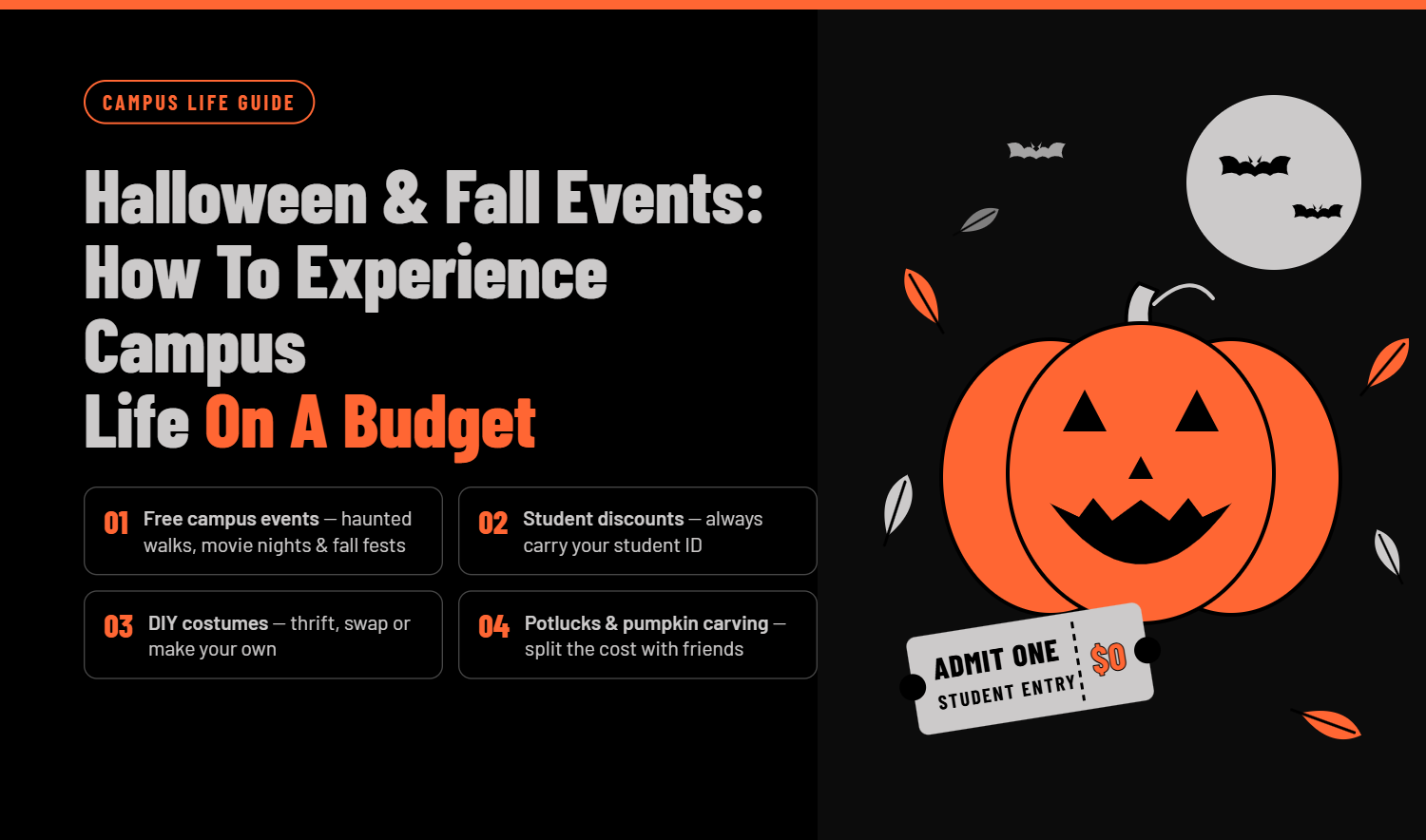
- Plan ahead with a campus calendar: Knowing dates in advance lets you prioritize free events and avoid last‑minute pricey tickets.
- Leverage student discounts: Many local venues honor a .edu email, cutting costs on food, rides, and Halloween gear.
- Use Zolve’s zero‑fee checking account: Avoid foreign‑transaction fees when paying for supplies or transport.
- Track every dollar in real time: A simple spreadsheet or budgeting app helps you stay within your fall budget.
What You Need to Know: Campus Fall Calendar & Costs
Most U.S. universities publish a Fall Events Calendar that lists everything from homecoming games to cultural festivals. According to recent Reddit threads (July 2026), students who check these calendars weekly report saving up to $150 per semester by opting for free campus activities instead of commercial events. Below is a quick comparison of typical costs for popular fall happenings.
| Event Type | Average Cost | Typical Campus Alternative |
|---|---|---|
| Haunted House (off‑campus) | $20‑$30 | Student‑run “Spooky Dorm” tour – free |
| Fall Food Festival | $15‑$25 | Campus farmer’s market – $5‑$10 |
| Costume Party (private venue) | $25 entry + $10 drinks | Residence hall costume night – free entry |
Pro tip: Download your university’s event app (often free on iOS/Android) and set alerts for “free” or “student discount” tags. This prevents you from missing hidden gems.
Step‑by‑Step Guide to Budgeting for Halloween
- Set a clear spending limit: Decide how much you can allocate for costumes, food, and transport (e.g., $50 total).
- Shop smart: Use thrift stores, campus swap boards, or Zolve’s partner discounts for costume pieces.
- Plan group activities: Organize a potluck or movie night in your dorm lounge to replace pricey party tickets.
- Track expenses daily: Log each purchase in a simple Google Sheet; color‑code “must‑have” vs “nice‑to‑have”.
- Review and adjust: At the end of the week, compare actual spend against your limit and shift funds if needed.
Tips for International Students
As an incoming student without a Social Security Number, you might worry about banking fees when paying for Halloween treats or fall travel. Zolve’s US checking account lets you fund your wallet with your home‑country currency, converting at the interbank rate and charging zero foreign‑transaction fees. This is especially useful when purchasing tickets on sites like Eventbrite that default to USD pricing. Additionally, remember to keep your I‑20 handy for any domestic travel verification, as highlighted by the USCIS I‑9 guidance.
For budgeting advice tailored to students, see our Student Budgeting Advice post. It walks through setting up a monthly envelope system that works even when you’re on an F‑1 visa.
How Zolve Can Help
Whether you need a credit card to build U.S. credit history or a checking account that accepts international transfers, Zolve is built for newcomers. Our How To Budget For A USA Vacation Tips For Tourists And Students guide shows how to use Zolve’s zero‑fee debit card for campus events, eliminating hidden conversion costs. Open an account today and start saving on every pumpkin‑spice latte you buy!
Conclusion
Enjoying Halloween & Fall Events: How to Experience Campus Life on a Budget is entirely doable with a little foresight, savvy use of student discounts, and the right financial tools. By checking campus calendars, leveraging free activities, and using Zolve’s fee‑free banking, you’ll celebrate the season without compromising your study‑abroad budget. Start planning now, and let the autumn festivities begin!
FAQs
What are the best free Halloween events on most U.S. campuses?
Most universities host free “Spooky Dorm” tours, costume contests in residence halls, and pumpkin‑carving sessions organized by student clubs. Checking the campus event app weekly will keep you updated.
Can I use my home‑country credit card for campus events?
Yes, but expect foreign‑transaction fees of 2‑3% unless your card offers no‑fee international purchases. Zolve’s debit card avoids these fees entirely.
Do I need a Social Security Number to open a U.S. bank account?
No. Zolve allows you to open a checking account with only your passport, visa, and I‑20, making it ideal for new international students.
How much should I budget for Halloween clothing and accessories?
A realistic budget is $20‑$40 if you shop thrift stores or use campus swap boards. DIY costumes can bring the cost under $15.
Are there tax implications for earning money at campus Halloween events?
Any income earned in the U.S. must be reported on your tax return. International students typically file Form 1040‑NR; see the IRS International Taxpayers page for details.
References & Sources
- USCIS I‑9 Guidance – verifies requirement to carry I‑20 for domestic travel.
- IRS International Taxpayers – confirms tax filing obligations for international students.
- Reddit thread “Fall events budgeting tips for international students” (r/InternationalStudents, July 2026) – source of student‑reported savings data.
- University of California, Berkeley Fall Events Calendar 2026 – example of free campus activities.
References
- USCIS I‑9 guidance — https://www.uscis.gov/i-9
- Student Budgeting Advice — https://zolve.com/blog/student-budgeting-advice
- How To Budget For A USA Vacation Tips For Tourists And Students — https://zolve.com/blog/how-to-budget-for-a-usa-vacation-tips-for-tourists-and-students
- IRS International Taxpayers page — https://www.irs.gov/individuals/international-taxpayers