
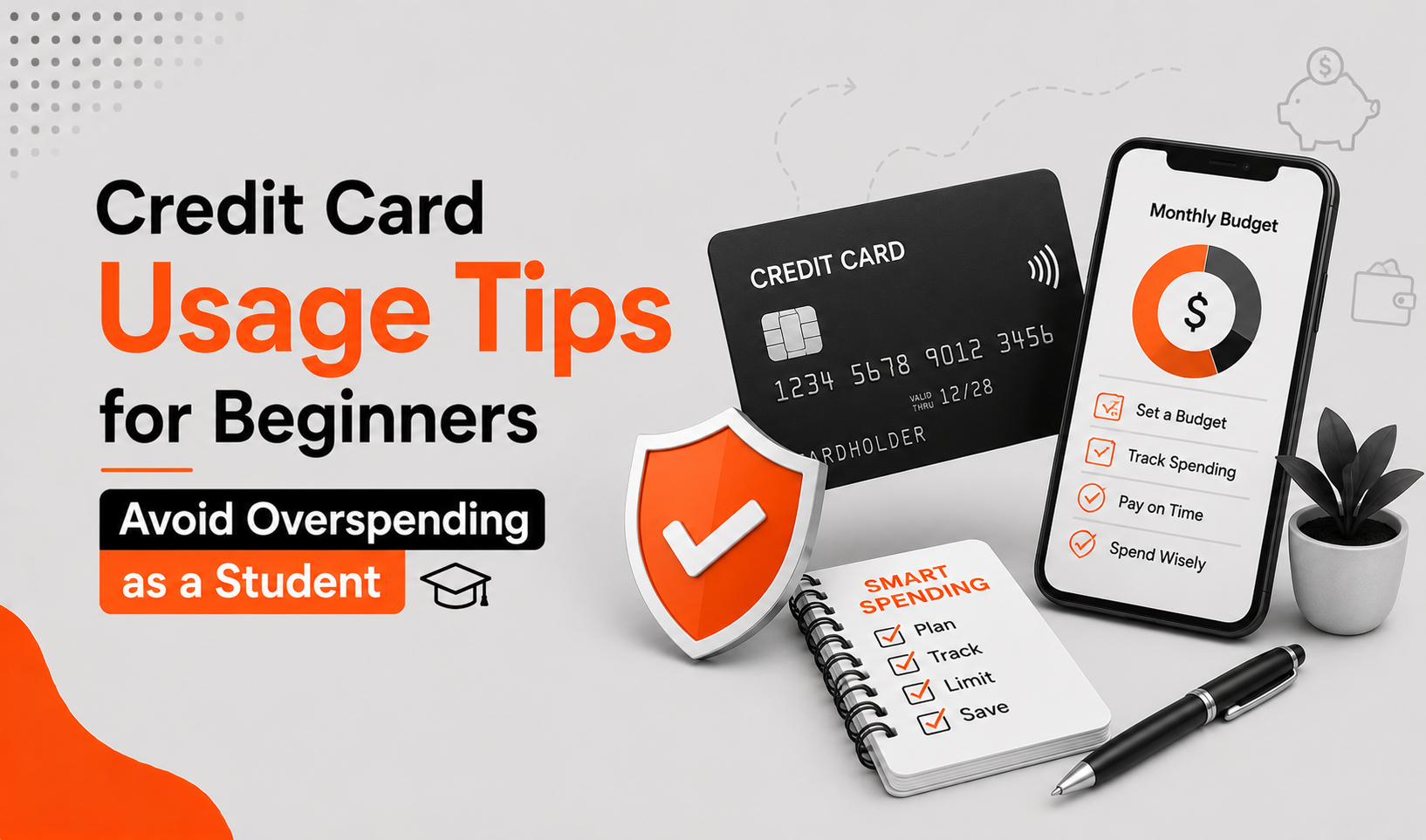
Being a student with a credit card can be empowering or expensive depending on how it’s used. Credit cards offer convenience, security, and a way to start building credit, but they can also make overspending easier if good habits aren’t in place.
Quick Summary
- Treat a credit card as a budgeting tool rather than extra income.
- Set spending limits, pay balances in full, review statements, and keep utilisation low.
- Use credit cards responsibly to avoid falling into debt.
- Develop disciplined spending habits and make the right card choice
- A credit card for students can be used to support both day-to-day needs and long-term financial health.
Why Overspending Is a Common Challenge for Students?
Overspending isn’t usually caused by big purchases. It happens through small, frequent swipes. Subscriptions, food delivery, rides, and online shopping add up fast. Since you don’t see money leaving your bank instantly, it’s easy to lose track.
Another factor is perception. A credit limit can feel like available money. In reality, it’s borrowed money that must be repaid.
Understanding this mindset shift is the first step toward budgeting with credit cards effectively.
Smart Credit Card Tips for College Students to Avoid Overspending & Build Credit
Here are practical habits every student should build.
1. Set a Monthly Spending Limit
Decide how much you can afford to put on your credit card each month based on your income or allowance. Treat this as your personal limit, not the bank’s credit limit. If your personal limit is $1000, stay within that number even if your card allows more.
2. Pay the Full Balance Every Month
Always aim to pay your statement balance in full to avoid
- Interest charges
- Growing debt
- Building distressed credit history
Use autopay or reminders so you never miss a due date.
3. Review Your Credit Card Statements Frequently
Check your statement or app at least once a week. Keep an eye out for:
- Unfamiliar charges
- Patterns of overspending
- Categories where money disappears fast
Catching issues early prevents bigger problems later.
4. Use Rewards and Free Offers Wisely
Rewards are meant to add value. They don’t justify extra spending. If you weren’t planning to buy something, a discount shouldn’t change your mind. Redeem rewards mainly on expenses you already budget for.
5. Choose a Student Credit Card for Your First Card
A credit card for students is designed to be easier to manage. They generally offer:
- Lower credit limits
- Simpler fee structures
- Tools for tracking spending
For students planning to study or live in the U.S., platforms like Zolve offer zero-annual-fee credit cards for students and professionals, helping eligible users start building U.S. credit history even without prior local credit.
6. Keep Credit Utilisation Low
Try to use only a small portion of your credit limit. Ideally it should be under 30%. Keeping the credit card utilization low helps in the following ways:
- Helps protect your credit score
- Makes balances easier to repay
- Reduces temptation to overspend
Conclusion
A credit card isn’t free money. It’s a financial tool. For a student with a credit card, smart planning and disciplined habits make all the difference. Set limits, pay in full, track spending, and keep utilisation low. Start with just one habit this month, follow the credit card usage tips shared here. Small changes compound quickly into strong financial health.
Zolve’s zero-annual-fee credit card is the perfect choice for students, both locals and internationals, as it helps them manage everyday expenses while also starting to build U.S. credit history.
Explore Zolve Student Credit Card
FAQs
Is it good to have a credit card as a student?
Yes, it can be a good idea for a student with a credit card if spending is managed carefully and payments are made on time. Used responsibly, a credit card for students helps build credit early and encourages healthy money habits.
What are the benefits of a student credit card?
Some key benefits include building credit history, safer payments compared to cash, and flexibility in managing everyday expenses. These advantages make a credit card for students a useful tool when handled responsibly.
Can I have a credit card as a student?
Yes. Many issuers offer credit cards for students with simpler approval requirements, making it easier for first-time cardholders to get started even without prior credit history.
What should I use my student credit card for?
Student credit cards work best for planned expenses such as groceries, transportation, subscriptions, and monthly bills you can repay in full. Practicing smart budgeting with credit cards helps avoid overspending and debt.
How does the student credit card work?
A student credit card allows you to borrow small amounts for purchases and repay them later. Each month, you receive a statement with the total amount due. Paying the full balance by the due date helps avoid interest and build credit, while partial payments may result in interest charges. Following practical credit card usage tips and credit card tips for college students can make long-term credit management easier.