Quick Summary
- The #1 feature: no foreign transaction fee. Most Indian cards add 2–3.5% on U.S. and cross-border spending; a no-FX-fee card removes it.
- Acceptance matters: choose a major network (Visa or Mastercard) so the card works everywhere you travel.
- Look for travel protections: rental-car coverage, trip and baggage protection, and purchase protection add real value.
- No-SSN access counts: newcomer cards approve you on passport and I-20, so you get these perks from day one and build U.S. credit.
Credit card vs forex card: a forex card is a prepaid travel tool; a U.S. credit card also builds your credit history. For a multi-year stay, the credit card usually wins.
Between weekend road trips, flights home and the odd international purchase, the right card quietly saves an Indian student hundreds of dollars a year, while the wrong one bleeds fees on every swipe. “Travel credit card” can mean a premium miles card, but for most students the real win is simpler: a card that does not punish you for spending across borders and that helps build your U.S. credit at the same time.
So along with listing the cards, this guide explains the features that actually matter for a student traveller, and how to choose between a U.S. credit card and a forex card.
What actually makes a card good for a student traveller?
1. No foreign transaction fee
This is the single biggest saver. Most cards issued in India, and many U.S. cards, add a foreign transaction fee of roughly 2 to 3.5% to purchases made abroad or in another currency. On a few thousand dollars of annual cross-border spending that is real money lost for nothing. A no-foreign-transaction-fee card removes it entirely.
2. Wide network acceptance
A card is only useful if it is accepted. Stick to major networks like Visa or Mastercard, which work across the U.S. and internationally. This is the one point the old guide got right and it still holds.
3. Travel and purchase protections
The perks that separate a good travel card from a basic one:
- Rental-car coverage, which can save you the daily insurance the rental desk pushes.
- Trip cancellation/interruption and baggage protection, useful for flights home.
- Purchase protection and extended warranty on things you buy with the card.
4. No SSN or U.S. credit history required
As a newcomer you likely have neither an SSN nor a U.S. credit file. Cards built for international students approve you on your passport and I-20, so you get the travel perks immediately and start building the U.S. credit that later unlocks apartments and better cards.
5. Sensible fees and rewards you will use
Favour no annual fee, and rewards that match your real spending. If you rarely fly, flat cashback on everyday spending beats airline miles you will not redeem.
Top Travel Credit Cards Tailored for Indian Students
Now, let's dive into some of the best credit cards that can make your life in the USA more comfortable and rewarding.
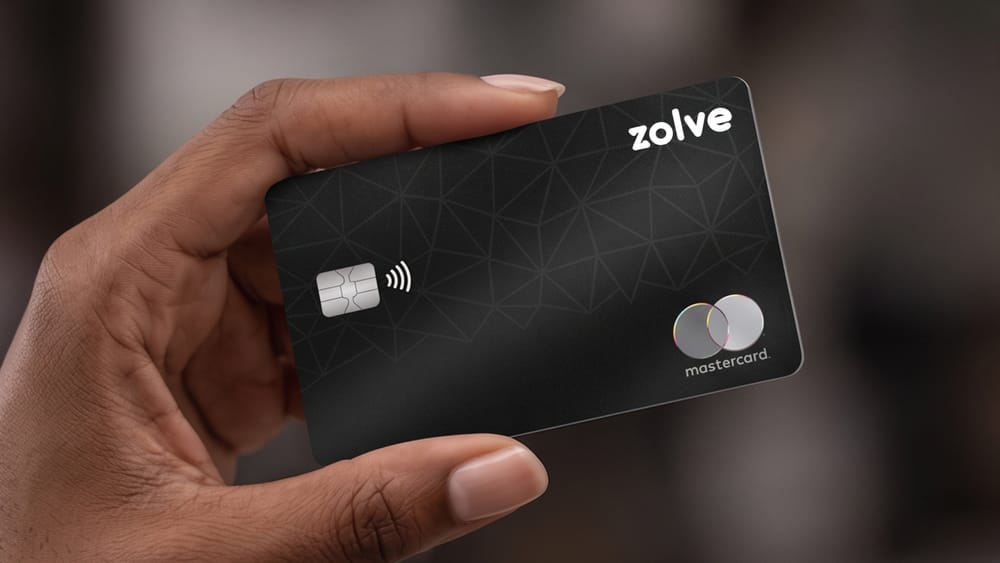
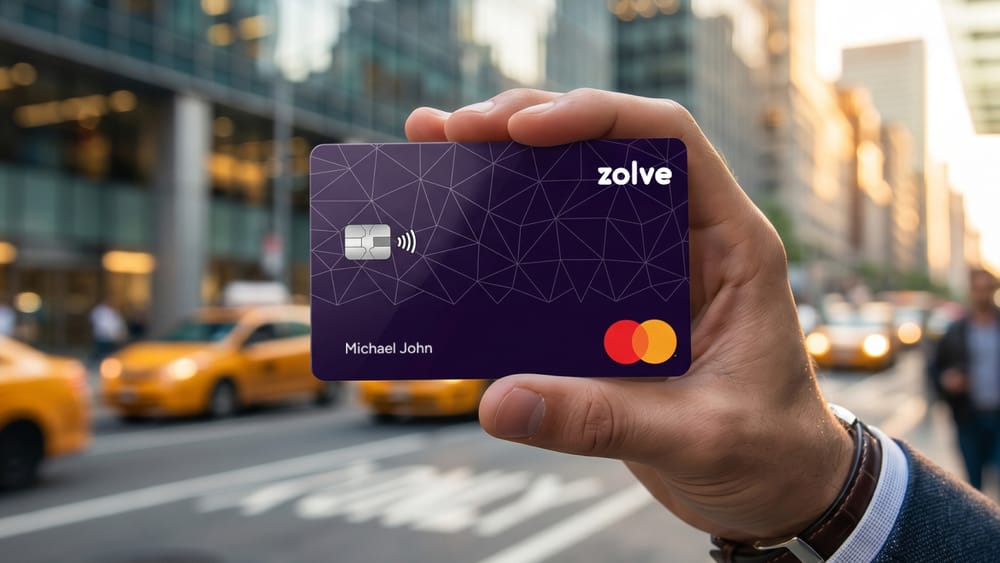
1. Zolve Credit Card
Designed specifically for international students and professionals moving to the USA, the Zolve Credit Card stands out for its student-friendly features.
- Pre-Arrival Application: Apply online and get approved even before you set foot in the USA, no Social Security Number (SSN) required initially.
- No Annual or Foreign Transaction Fees: Enjoy seamless transactions without worrying about extra charges eating into your budget.
- Credit Limit up to $15,000: A generous limit to cover your initial expenses, from setting up your dorm room to buying textbooks.
- Build US Credit Score: Zolve reports to all major credit bureaus, helping you establish a strong credit history from day one.
- Exclusive Partner Offers: Access discounts and deals from partnered brands and services.
2. Discover it Student Cash Back
A favorite among students for its rewarding cashback program and student-centric perks.
- No Annual Fee: Keep more money in your pocket for what truly matters.
- 5% Cashback on Rotating Categories: Earn high cashback on categories that change quarterly, such as groceries, gas stations, or restaurants.
- Unlimited Cashback Match: At the end of your first year, Discover matches all the cashback you've earned, dollar for dollar.
- No Foreign Transaction Fees: Spend freely without incurring extra costs on international purchases.
3. Bank of America Travel Rewards Credit Card for Students
Ideal for those who anticipate frequent travel or love redeeming points for travel-related expenses.
- No Annual Fee: Avoid unnecessary costs while enjoying premium benefits.
- Unlimited 1.5 Points per $1 Spent: Points don't expire and can be redeemed for a variety of travel expenses.
- 25,000 Bonus Points Offer: Earn bonus points (worth $250 in travel credit) after making at least $1,000 in purchases within the first 90 days.
- No Foreign Transaction Fees: Use your card internationally without extra charges.
- Introductory 0% APR: Enjoy a 15-billing-cycle 0% introductory APR on purchases, helping you manage initial expenses.
Tips for Choosing the Right Card
Selecting the perfect credit card hinges on your individual needs and lifestyle. Here are some pointers to guide you:
- Global Acceptance: Opt for cards from major networks like Visa or Mastercard to ensure they're accepted wherever you go.
- Fee Structure: Be mindful of annual fees, late payment fees, and interest rates. A card with no annual fee and low interest rates is generally preferable.
- Rewards Alignment: Choose a card that offers rewards you'll actually use. If you don't travel often, a card with cashback on everyday purchases might be more beneficial.
- Ease of Approval: Cards that don't require an SSN or prior credit history are advantageous for international students.
- Customer Support: Reliable customer service is invaluable, especially when navigating financial matters in a new country.
Credit card vs forex card: which should a student pick?
Indian students often weigh a prepaid forex card against a U.S. credit card. They solve different problems:
For a semester abroad, a forex card can be fine. For a full degree, a no-foreign-fee U.S. credit card usually wins, because it removes fees and builds the credit history you will need in the U.S.
Use it wisely (and know your protections)
- Pay the full balance monthly to avoid interest and build credit fastest.
- Watch rental-car holds: agencies place a temporary hold on your limit; a card with room to spare avoids problems.
- Know your dispute rights: for a fraudulent or incorrect charge, U.S. law lets you dispute it; report promptly. The CFPB explains card liability, and if only your card number is stolen you generally owe nothing.
- Don’t open too many cards at once, since each application can add a hard inquiry.
Wrapping up
For most Indian students the “best travel credit card” is not an exotic miles card; it is a widely accepted, no-annual-fee, no-foreign-transaction-fee card with solid travel protections that you can get without an SSN and that builds your U.S. credit. Pay it in full each month and it saves you money on every trip while quietly strengthening your financial foundation.
Compare your options with Zolve’s guide to no-SSN credit cards for international students, learn what an SSN is and how it affects your credit, and cut ATM costs on the road with how to use US ATMs and banks.
Want a card with no foreign transaction fees and travel perks from day one? Zolve offers international students a U.S. credit card with no SSN required and no FX fees, so travel spending costs less and builds credit.
FAQs
Should I use my Indian credit card in the US?
You can, but watch the foreign transaction fee. A U.S. no-FX-fee card avoids the 2–3.5% surcharge and builds U.S. credit.
Which card network is most widely accepted?
Visa and Mastercard are accepted almost everywhere in the U.S. and abroad.
Can I get a travel-friendly card without an SSN?
Yes. Newcomer cards approve you on passport and I-20, with no SSN or U.S. credit history required.
Forex card or credit card for a full degree?
Usually a no-FX-fee credit card, because it avoids fees and builds credit; a forex card is better suited to short trips.
Do I need a travel card if I rarely travel?
Then flat cashback on everyday spending is often more valuable than airline miles you will not use.