
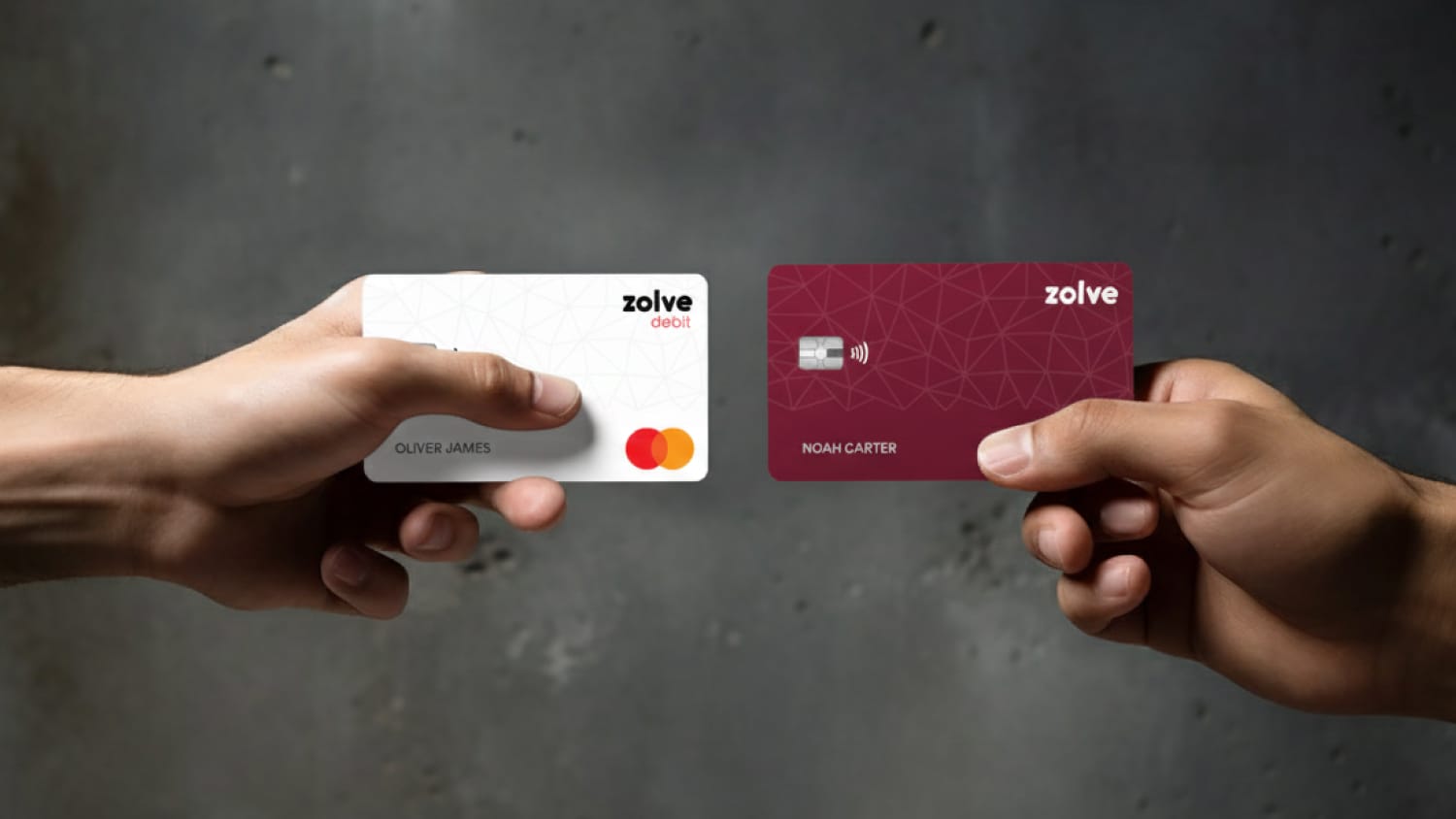
Credit and debit cards have become essential tools in everyday money management. They make payments effortless — whether you’re shopping, studying abroad, or making travel bookings. But while they may look the same, the way they affect your finances, rewards, and credit history is quite different.
A credit card acts like a short-term loan from your bank, helping you build credit and earn rewards on every transaction. A debit card, however, uses your own money instantly, helping you control spending and avoid interest altogether.
In this guide, we’ll break down the credit card vs debit card debate — covering how they work, their advantages, security differences, and when to use each. You’ll also learn how global platforms like Zolve make credit access simple, secure, and beneficial for international users.
Because choosing between credit and debit isn’t about one being better — it’s about knowing which one empowers your financial goals.
Credit vs Debit: Key Differences You Should Know
Although they look alike, the credit card vs debit card difference comes down to where the money comes from.
Knowing the difference between debit and credit card types helps you use each one more strategically.
Pros and Cons: Weighing the Advantages
Credit Card Advantages:
- Earn cashback, points, and travel perks.
- Build credit history through timely payments.
- Enhanced protection against fraud or disputes.
- Helpful for emergencies or online purchases.
Cons of Credit Cards:
- Possible interest charges if balances aren’t paid in full
- Risk of overspending
Debit Card Advantages:
- Instant payment from your own funds—no debt.
- Helps control spending and stick to a budget.
- Fewer fees and easier approval.
Cons of Debit Cards:
- Limited rewards
- Weaker dispute protection
- No credit-building benefits.
When handled smartly, both cards complement each other—one powers rewards, the other reinforces discipline.
Staying Safe: Security and Fraud Protection
When it comes to debit card vs credit card security, credit cards often win.
- Credit card protection: Includes fraud monitoring, zero-liability policies, and chargeback support.
- Debit card protection: Covers fraudulent use but may take longer to resolve.
- Best practices: Use secure networks, enable OTPs, set alerts, and review transactions regularly.
Prioritizing security keeps your money safe, no matter which card you choose.
Unlocking Rewards, Cashback, and Perks
One of the major credit card advantages is access to ongoing rewards. Many offer cashback, airline miles, or discounts on dining and travel. Debit cards may give small cashback or merchant-specific deals, but rarely match credit rewards.
To maximize value:
- Use your credit card for planned expenses that earn rewards.
- Use your debit card for daily needs to manage cash flow.
Smart card usage turns every transaction into an opportunity to save or earn.
Financial Impact: How Cards Affect Your Money
Whether you prefer a credit or debit card, both play important roles in your financial journey. Credit cards help you build a credit score, improve borrowing power, and access loans or housing more easily. Debit cards help you spend responsibly and avoid debt. Combining both creates balance — use credit for rewards and large, trackable payments, and debit for daily expenses. When used together, both cards shape a financially stable future.
Going Global: International Use and Travel Benefits
For travelers, understanding the features available in both credit and debit cards matters even more.
- Debit Cards:
- Debit cards can also be used internationally for payments and ATM withdrawals.
- However, they may incur foreign transaction or ATM fees, and the protection against fraud is often more limited and slower to resolve.
- If your debit card is compromised, the funds come directly out of your account, which could temporarily affect your available balance.
- Credit Cards:
- Credit cards are widely accepted worldwide, making them ideal for international travel. They often include travel insurance, purchase protection, and alerts for fraudulent activity, safeguarding you from unexpected issues abroad.
- Credit cards also typically provide better exchange rates and can help you avoid costly foreign transaction errors. For example, using a credit card for hotel bookings or online travel purchases ensures added protection in case of disputes.
- Zolve’s zero-annual fee credit card offers a high credit limit, allowing you to comfortably use your credit card and build credit from day one.
For global travelers, platforms like Zolve credit card simplify international spending by offering strong fraud protection and global acceptance, making it easier and safer to manage money while abroad.
When to Swipe Which: Practical Usage Tips
Use a Credit Card When:
- Paying bills, subscriptions, or large online purchases.
- You want to earn rewards or build credit.
- You need purchase or travel protection.
Use a Debit Card When:
- Handling daily essentials or groceries.
- Withdrawing cash or managing a tight budget.
- You want to avoid interest or overspending.
Choosing the right card for the right situation ensures financial control and smarter spending.
Picking Your Perfect Card
Your lifestyle determines the winner in the credit card vs debit card choice:
- Students or newcomers benefit from credit cards that build history.
- Minimalist spenders prefer debit for simplicity.
- Many combine both for convenience, rewards, and control.
Smart Credit Solutions for Students and Professionals in the US
Zolve turns every trip or transaction into progress toward your credit goals. With Zolve, you can:
- Apply with no prior U.S. credit history required.
- Build your U.S. credit history as payments are reported to major credit bureaus.
- Benefit from Mastercard ID theft protection.
Zolve Makes It Simple
With Zolve Credit Card, you can start building credit in the U.S. with no SSN, transparent fees, and through a quick online application process. Enjoy the best of both worlds, with credit card benefits for larger purchases, bills, and online subscriptions, while also earning cashback on everyday spends like groceries, dining, and essentials.
Designed for students and professionals, this zero-annual fee card combines financial flexibility with simplicity through an intuitive app, letting you track spending, freeze/unfreeze your card, and manage rewards effortlessly. With Zolve, It’s not just about building credit, it’s about making your everyday payments smarter, safer, and more rewarding.
Conclusion
Both cards are valuable financial tools. The credit card and debit card difference lies in purpose — credit builds your future, debit secures your present.
When used wisely, credit cards grow your score and perks, while debit cards keep your spending grounded. The real strength lies in using both responsibly to achieve balance, security, and financial freedom.
Zolve offers the best of both worlds - with benefits on big purchases and cashback on everyday purchases. Enjoy rewards, security, and global access from day one.
Apply for the Zolve Credit Card.
FAQs
1. Can a debit card be used as a credit card?
When comparing a credit card vs a debit card, a credit card lets you borrow money up to a set limit, while a debit card deducts funds directly from your bank account. You can technically use a debit card like a credit card at checkout by selecting “credit,” however, the money is still withdrawn immediately from your account rather than borrowed. Unlike credit cards, debit cards don’t build your credit history or provide the same level of purchase protection.
2. Which is better, debit or credit card?
Choosing between a credit card or debit card depends on your goals. Debit cards help control spending and avoid debt, while credit cards build credit history and earn rewards. Many people use both — debit for daily expenses and credit for larger purchases, travel, and online payments to balance convenience and financial growth.
3. Do credit cards and debit cards have different transaction limits?
Yes, the credit card and debit card difference extends to spending limits. A debit card’s limit depends on your account balance or daily withdrawal cap, while a credit card’s limit is set by the issuer based on your income and credit score. Credit cards often allow higher flexibility for larger or emergency purchases.
4. Which is better for students, a credit card or a debit card?
For students, a credit card vs debit card choice depends on financial goals. Debit cards help manage everyday spending and avoid overspending. But student credit cards, such as Zolve Credit Card, build credit history early while offering rewards, global access, and fraud protection — setting the foundation for long-term financial growth.
5. Can I withdraw cash using a credit card and a debit card?
Yes, but the process and cost differ. With a debit card, cash withdrawals are free or low-cost from your bank’s ATM. Using a credit card for cash withdrawals (called a cash advance) incurs higher interest rates and fees. For the best results, use debit for cash and credit for payments.
6. Can I use both credit and debit cards internationally?
Absolutely. Both credit and debit cards can be used abroad, but credit cards typically offer better exchange rates and travel perks. While comparing the protective features of a credit card vs a debit card, credit cards provide stronger safeguards such as fraud monitoring (cards such as Zolve’s offer Mastercard ID theft protection). Debit cards, by contrast, may incur foreign ATM or currency conversion fees. For global travelers, platforms like Zolve Credit Card make international transactions simple, secure, and cost-effective.
7. Do debit cards have annual charges like credit cards?
Most debit cards have little to no annual fees, while credit cards may charge annual or renewal fees depending on their rewards and features. Always compare both before applying. The difference between debit and credit card fees often comes down to rewards value — higher perks can justify small annual costs.